







19-November-2026
India’s tourism ministry has established sustainability criteria that cover accommodation. ICRA projects hospitality revenue growth of 7–9 per cent in FY2027, supported by domestic demand among other drivers. As properties in busy destinations host more guests, hotel boards should be able to answer a basic operating question. How much water does the property use for each occupied room, and where can it cut that use?
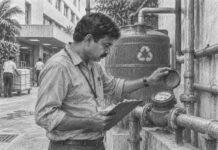
A property that monitors only its total water bill may miss losses in a laundry line, a cooling system or overnight leakage. It can also claim an improvement when occupancy falls. Conversely, a hotel that hosts a large conference may look inefficient if it counts only overnight guests. The figures need enough detail to explain what changed.
Hotel owners should meter the largest uses separately where practical, record occupancy and event activity and report water use against both. Managers should track freshwater intake and suitable treated-water reuse separately. Include outsourced laundry in the purchasing review so that shifting a service outside the hotel does not hide its resource demand.
Tourism departments and hotel associations should agree on a short reporting template that smaller properties can use. Start by comparing hotels with similar services and local conditions. Disclosure should help owners find the leaks and operational changes that matter and show communities whether visitors’ water demand is being managed.